The Craft of Glass Packaging: Transforming Your Brand Using Eco-Friendly Glass Bottles
The craft of glass packaging presents brands with a unique avenue for differentiation. Through sustainable practices, glass bottles not only enhance visual appeal but also align with eco-conscious consumer values. Their inherent qualities, including recyclability and chemical safety, signify a commitment to quality. As organizations traverse this shifting terrain, understanding the multifaceted benefits and challenges of glass packaging becomes essential for long-term success. What forward-thinking methods are companies adopting to fully harness these opportunities?
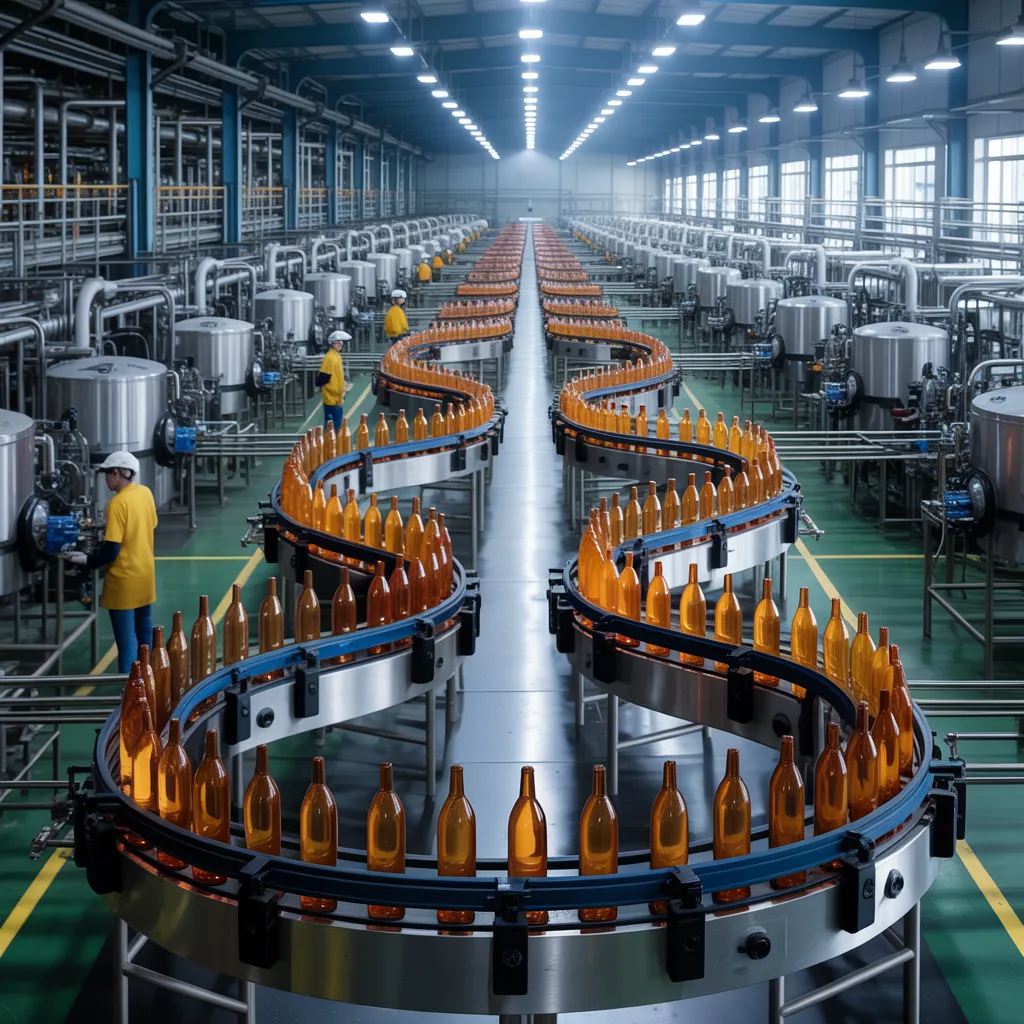
What Makes Glass Packaging the Right Choice for Your Brand
Choosing glass packaging can greatly enhance a brand's image and eco-friendly commitments. Companies that choose glass packaging demonstrate a pledge to superior standards and premium experiences, appealing to discerning consumers who appreciate aesthetic and functional attributes. Glass delivers a timeless and elegant appearance, contributing to a brand's visual identity while offering a tactile experience that plastic cannot match.
In addition, glass containers project an image of purity and safety, as it is devoid of dangerous compounds frequently associated with plastic packaging. This choice can attract environmentally conscious consumers who identify glass with sustainable behavior. In addition, its robust construction supports reuse, thus solidifying a brand's pledge to environmental responsibility.
In a market placing greater emphasis on ecological responsibility, choosing glass packaging can set a brand apart fostering consumer loyalty and strengthening brand trust. Ultimately, this calculated move establishes brands as frontrunners in quality and environmental responsibility, resonating with modern consumer values.
The Eco-Friendly Advantages of Glass Bottles
Glass bottles present significant sustainability benefits that set them apart from competing packaging solutions. These containers are 100% recyclable, promoting a closed-loop economy where materials can be recycled endlessly without loss of quality. This property significantly minimizes the need for new materials, consequently limiting resource extraction and energy consumption connected to production.
Furthermore, glass packaging is inert, meaning it does not release dangerous compounds into its contents, ensuring healthier consumption. Unlike plastic, glass does not promote microplastic pollution, which is a rising environmental problem.
The manufacturing of glass bottles also generates lower greenhouse gas emissions compared to plastic alternatives. With advancements in manufacturing processes, energy efficiency has improved, thereby reducing the environmental impact associated with producing glass.
Innovative Designs That Enhance Glass Packaging
Creative designs in glass vessels are revolutionizing how items are presented. Distinctive forms and designs not only improve usability but also attract consumer attention. Furthermore, eye-catching color palettes further elevate the aesthetic appeal, making glass containers rise above the competition on display.
One-of-a-Kind Shapes and Structures
Revolutionary designs in glass-based packaging not only enhance aesthetic appeal but also serve a critical function in brand differentiation. Unconventional forms and structures can produce unforgettable customer interactions, enabling products to capture attention on competitive store shelves. To illustrate, non-symmetrical bottles or structured geometric forms can spark interest and invite engagement. These original shapes often correspond with a brand's core values, solidifying its brand narrative and ideals. Beyond that, distinctive structures can elevate performance, such as more convenient gripping or optimized pouring. Companies that prioritize innovative glass packaging project a strong focus on superior quality and green practices, attracting environmentally conscious consumers. Through emphasizing creativity in their packaging choices, brands can cultivate more meaningful relationships with consumers, consequently strengthening customer commitment and improving market positioning.
Captivating Color Palettes
Vibrant color palettes play an essential role in enhancing glass packaging, turning everyday bottles into striking visual declarations. By employing a strategic blend of hues, companies can stir feelings and craft lasting impressions for customers. Vivid hues can communicate exceptional value, whereas gentler shades can express refinement and elegance.
Furthermore, the use of gradient and multi-tone aesthetics creates depth and visual interest, commanding attention on competitive shelves. Sustainability-driven practices further elevate the attractiveness; environmentally responsible dyes and finishes connect with mindful consumers. In the end, the right color palette not only captures a brand's essence but also underscores its pledge to sustainability, making glass packaging a powerful tool for differentiation in a competitive market.
How Can Glass Packaging Elevate Product Perception?
Glass packaging notably improves how products are perceived via its upscale feel and visual appeal, creating a sense of luxury for consumers. The natural clarity and see-through quality of glass provide a clear and unimpeded view of the contents, solidifying the product's quality appeal. Additionally, using glass aligns with eco-friendly brand positioning, attracting consumers who prioritize environmental responsibility.
Outstanding Feel And Appeal
Utilizing glass packaging significantly enhances the apparent worth of a product, often associating it with quality and elegance. Buyers commonly connect glass with premium quality, contributing to improved brand commitment and favorable customer interactions. The sensory quality of glass, with its refined surface and heft, establishes a high-end impression that plastic cannot replicate. This sensory engagement creates a connection between the product and the consumer, fostering a perception of excellence. Additionally, glass packaging reflects a focus on sustainability, attracting environmentally-conscious buyers. Consequently, businesses employing glass containers can position themselves as superior choices within their markets, appealing to thoughtful consumers who value both aesthetics and ethical considerations in their buying choices.
Visual Clearness And Transparency
When shoppers come across products in glass containers, their experience is commonly improved by the inherent visual transparency and clarity it provides. relevant resource This openness enables prospective customers to view the contents within, building a feeling of confidence and genuineness. The see-through nature of glass not only reveals the product's caliber but also accentuates its color and feel, enhancing visual appeal. Furthermore, the lack of label obstructions on transparent glass lets the product become the focal point, generating a more immersive purchasing journey. Glass packaging can elevate brand perception by conveying a commitment to quality and craftsmanship. This visual clarity ultimately influences consumer decisions, promoting a more profound personal relationship with the item and the brand.
Eco-Friendly Brand Positioning
Sustainability-focused brands utilize glass packaging to reinforce their commitment to sustainability, meaningfully improving the way consumers view their products. Glass projects an image of quality and authenticity, defining a loftier benchmark when measured against plastic counterparts. This substance not only underscores the green values of a brand but also resonates with shoppers who value eco-conscious decisions. The physical sensation of glass—its heft and feel—additionally enhances the perceived worth of the product. Furthermore, the recyclable nature of glass corresponds with the increasing consumer appetite for sustainable habits, fostering brand loyalty. By opting for glass, brands not only demonstrate their commitment to ecological responsibility but also present their products as top-tier selections, thereby cultivating a positive image in a competitive marketplace.
Examples of Brands Thriving With Glass Packaging
Many companies are flourishing by adopting glass packaging, showcasing its consumer appeal and dedication to environmental responsibility. For instance, a leading beverage company transitioned to glass bottles, leading to a 30% boost in sales within a year. The transition not only improved product visibility on shelves but also resonated with eco-conscious consumers, reinforcing the brand's sustainability message.
One other skincare brand successfully changed to glass vessels, significantly enhancing its upscale appeal. This change attracted a committed following that values both design quality and sustainable values. Moreover, a craft beer producer embraced reusable glass containers, fostering customer loyalty and reducing waste. These real-world cases show that glass materials not only fulfill customer expectations for sustainable options but also bolsters brand value and industry presence. Such thoughtful selections underscore an expanding movement among brands aiming to incorporate green principles into their strategies while resonating with contemporary buyers.
How to Address Challenges in Glass Packaging
Steering through the complexities of glass packaging requires innovative strategies and a thorough understanding of the market. Businesses often face obstacles such as high production costs, weight concerns, and breakability. To overcome these, organizations can implement innovative fabrication processes that minimize material waste and improve product strength. Partnering with suppliers to source eco-friendly materials also mitigates ecological footprint while resonating with sustainability-minded consumers.
An additional obstacle involves transportation logistics, considering the substantial weight of glass. Utilizing advanced logistics approaches, encompassing improved shipping methods and efficient packaging solutions, may lower costs and secure product integrity throughout shipping. Additionally, educating consumers on the benefits of glass over plastic can build brand loyalty and stimulate demand. Through adopting these approaches, organizations can address hurdles in glass packaging and distinguish themselves as innovators in eco-friendly practices, ultimately enhancing their brand image and market presence.
Upcoming Trends in Sustainable Glass Packaging
As the appetite for sustainable packaging solutions expands, the glass packaging industry is poised for transformative changes. Innovations in manufacturing processes are expected to enhance energy efficiency, reducing the carbon footprint associated with glass production. Furthermore, the rise of lightweight glass bottle usage will become a defining trend, reducing shipping emissions while preserving product quality.
Recycling efforts will continue to strengthen, with enhanced partnerships between manufacturers and municipalities to improve glass collection and processing. Moreover, the embedding of advanced technology in packaging solutions will allow for greater transparency in the supply chain, allowing businesses to demonstrate their green initiatives with greater effectiveness.
The rising consumer appetite for environmentally conscious products will continue to fuel the growth of customizable, aesthetically pleasing designs, blending practicality with aesthetic charm. As brands prioritize sustainability, the glass packaging sector is set to redefine its approach, addressing wider ecological objectives while satisfying the demands of environmentally aware consumers.
Frequently Asked Questions
How Do the Costs of Glass Packaging Compare to Those of Plastic?
Packaging made from glass typically carries higher costs owing to manufacturing, shipping, and recycling requirements when compared to plastic alternatives. However, it delivers sustainability benefits and enhanced brand perception, making it a worthwhile investment for certain companies.
How Can I Customize Glass Bottles for My Brand?
Companies are able to personalize glass containers through unique shapes, colors, and finishes. Engraving, labeling, and printing designs enhance brand identity. Collaborating with suppliers guarantees alignment with eco-friendly initiatives all while preserving visual appeal and practicality.
Are There Particular Rules Governing Glass Packaging?
Certainly, dedicated regulations for glass packaging have been established, distinct to each region. These cover safety standards, labeling requirements, and recycling guidelines, ensuring consumer safety and environmental responsibility while promoting sustainable practices in packaging manufacturing and distribution.
What Are the Most Effective Best Practices for Recycling Glass Bottles?
When recycling glass bottles properly, residents should wash them thoroughly to clear out any remaining contents, take off the caps, and separate them by color. Additionally, they should consult local recycling guidelines for proper protocols and collection points to ensure correct handling and processing.
How Does Glass Packaging Impact Shipping and Logistics?
Glass packaging considerably affects shipping operations and logistics by increasing weight and fragility, requiring careful handling and specialized transport solutions. This can lead to higher costs and more complex supply chain management when compared to lighter and more resilient materials.
Comments on “everything you need to know about glass bottle suppliers south africa”